A few months after the recent Ebola outbreak was declared over, I visited Guinea to work on the much bigger issue of water, sanitation and hygiene. What follows are some reflections on my experience and the start of what could be a small but powerful solution.
After a few days in the capital, Conakry, I spent most of my time in Guinea in the eastern region of Forecariah. It’s a work trip but I’d rather call it vocational. I’m here with the same Mandela mantra that started this blog four years ago, that education is the most powerful weapon for change in the world – and it’s been great to be back in Africa!
I’ve timed my visit with the start of our new WASH (Water and Sanitation Hygiene) project in Forecariah and the arrival of another visitor from Malawi, Masauko. Masauko is a fountain of WASH knowledge with over 20 years experience in the sector, he’s been a fantastic companion and I’ve learnt a lot from him. He’s also got some serious dance moves, discovered in what must be one of the world’s smallest night clubs or ‘boxes’ as the locals call them.
Forecariah was the hotspot of the Ebola crisis last year and our office is just around the corner from the main Ebola treatment centre. The epidemic was declared over in June and as part of the ongoing contact tracing of the virus our temperatures and contact details are taken and recorded regularly. This is a mandatory procedure for all organisations working in the area now.
We stayed in a basic hotel, but the cheapest are still relatively expensive at $25 a night. Prices inflated with the influx of NGO’s last year. Most of these have now gone and I work for one of the last few remaining.
Just to be clear, my trip and this blog is not about Ebola but it’s a great reference point for some complex issues. Whilst Ebola was a terrifying and debilitating epidemic, which was devastating for the people affected, it only affected a fraction of the population. There are 11.7 million people living in Guinea and there were 3,800 cases; that’s not even 0.001%. My work here is linked to a much bigger issue that inhibits the health and development of 80% of the population: water and sanitation. Lack of clean water and improved sanitation (or proper toilets that stop disease spreading) are responsible for hundreds of preventable deaths every day. Compared to Ebola, the numbers are colossal at 42,000 deaths from diarrhoeal diseases a year. Inadequate water, sanitation and access to basic health care are the reason Ebola spread as far as it did. It was the cause of the Cholera epidemics here in 2007 & 2012 and why alarm bells are ringing as another outbreak spreads across West Africa. Ebola, Cholera and the thousands of preventable deaths are symptoms of the much bigger problem, poverty.
Now I don’t like to use this language, you’ll never hear me say ‘poor people’, but economically speaking Guinea is the eighth poorest country in the world. Seventy percent of people here live on less than $3 dollars a day and food, travel and medicine is expensive. I caught a nasty infection and the antibiotics and painkillers cost $20 – that’s over a week’s wages for most people. If you travel around the country you will find little infrastructure. The road from Conakry to Forecarhia is the only link road to Sierra Leone and it’s falling apart. It stops and starts for what feels like forever. In some places its barely passable with a 4×4 and the local bush taxis constantly break down. I took a trip to the rainforest in the northeast over a weekend and the roads were no better. What should have been a seven hour drive took fourteen with the traffic, rain and the disappearing roads. I still didn’t complain. The breathtaking views en route and our trek into the beautiful unspoilt rainforest with cascading waterfalls and wildlife more than made up for it. It also reminded me of how incredibly rich this country is, and could be. But like many countries in Africa, the richer in resources the poorer the people; I’m told that Guinea has half of the world’s bauxite reserves, crucial in aluminum production. In Chad and Niger it’s uranium and in the Democratic Republic of Congo you can take your pick of the $24trillion reserves of gold, copper, diamonds, coltan and cobalt – the mineral that makes our phones smart.
Guinea has huge potential, you can see it in the entrepreneurial spirit of the boys rebuilding the road asking for donations, but if the world wants it’s resources they must support it in its development. Ebola illustrated how quickly Guinean problems could become the rest of the world’s. The virus started in Guinea, spread across 6 countries and claimed 11,315 lives as far as the US, Spain and Germany. The UN issued an international health emergency warning and funds flooded into the region. In my opinion these came too late and left too soon, we were talking about Ebola in the office months before it hit the headlines.
Overseas aid is often justified through Western interests. As countries develop so do their peoples jobs and prospects, this can curb migration and reduce the rise of extremism and terrorist threats. International development certainly is in the worlds interests but in a globalised, post colonial world it should go much deeper than that. Development should be a global, shared responsibility which is long term and sustainable. Not an emergency sticking plaster.
In the wake of Ebola, the real tragedy is that once the epidemic and international alert was over the funds dried up and almost everyone left. In Forecariah I walked past the construction site of the new hospital every day and I could count the laborers on one hand, their equipment on the other. They have wheelbarrows and shovels and after a years work it is still only a shell. If Ebola hit again they would have built little resilience.
Whilst I’m told that there is more global interest for Guinea post Ebola, the development here is still very low. It’s long been one of the hardest countries for us to fundraise for, possibly because it’s one of the ‘poorest’ and most challenging places in the world and donors prefer to see a shorter return on investment. But whilst the sustainable development road here is long, especially with the traffic and potholes, it’s the only real and lasting solution to problems like Ebola.
The purpose of my trip has been to look at longer-term health solutions, but through education. I’ve been fortunate to work with Tra, a very passionate and committed young women and our WASH programme manager. Tra and I have been Skyping for months and after a series of focus groups with teachers and children we have developed and tested a innovative new toolkit of educational games and activities designed to educate children on good hygiene practices and why hand-washing with soap is the only way to stop germs and disease spreading. It’s simple but critical stuff.
During Ebola cultural practices of sharing water to wash hands before eating and poor knowledge of disease transmission combined with a bombardment of hygiene propaganda (I’ve seen posters and stickers everywhere), lead to confusion and panic. People were scared, a few fatally drank chlorine to protect themselves and some NGO’s spreading hygiene promotion messages were chased away from villages.
The purpose of our project is to educate children on these critical issues so they grow up understanding how to protect themselves in the future. Prevention is better than cure. Crucially our activities are fun, memorable and designed so that children learn for themselves and really understand the importance of good hygiene practices. Simply telling children to wash their hands with soap, through posters or any other media, is pointless if they don’t understand why.
I’ve faced the same challenges in Guinea that I did in Tanzania. Teachers are incredibly stretched, lack resources in over crowded classrooms and rote learning is the go to; children are taught the answers to questions instead of thinking for themselves. But this doesn’t lead to learning. Our games are structured around a special ‘Hygiene Heroes’ mission where children develop their super power of knowledge to protect themselves, their friends and their community against the evil enemy, germs! These are illustrated with glitter and children clearly see that only soap will make the glitter (germs) disappear!
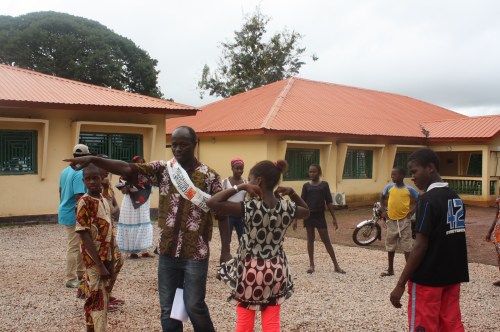
We’ve also created a WASH version of ‘the name game’ but instead of famous people its good hygiene practices – lots of fun and great for communication and quick thinking skills too! At the end children are tasked with a special mission to spread their knowledge as far as they can.
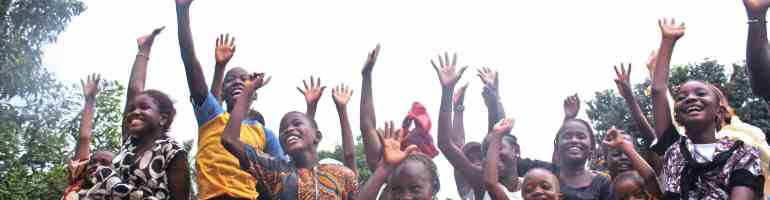
So far we’ve had great feedback from both teachers and children on both concept and activities and started encouraging conversations with UNICEF in Guinea. Teachers quoted proverbs on the importance of education, were pleased that the practical, visual activities would work for illiterate children and told us they’d use some of the teaching methods themselves – win! The children’s response can be summarised in the group photo taken afterwards. It is the best and one of the proudest photo’s I’ve ever taken.
With the easy part over, we need to find funds. Despite Ebola, there is hardly any WASH work going on in schools in Forecariah, most of which do not have water and toilets. Whilst our efforts seem small in comparison to the issues outlined above, our ambition is that the next time an epidemic hits Guinea the first line of defence will be education.

Pre project focus groups with teachers and children.
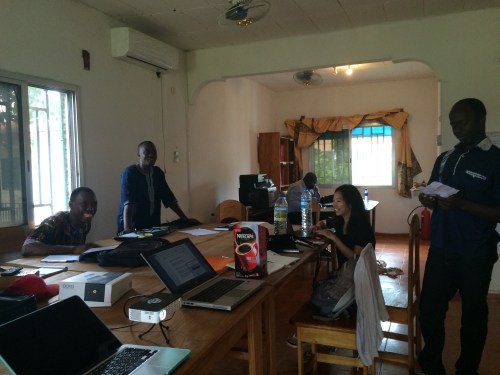
Developing resources with the team

Glitter handwashing demo
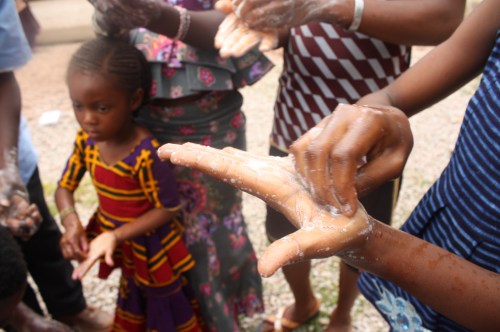
Hand washing demonstration
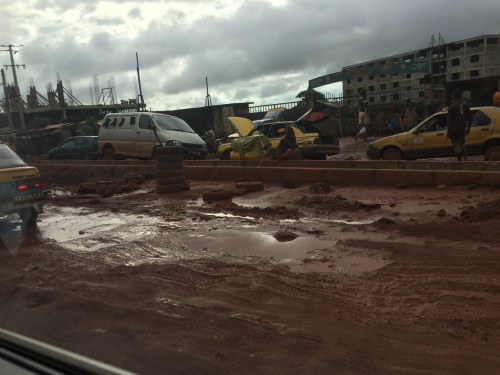
A main road in Conakry
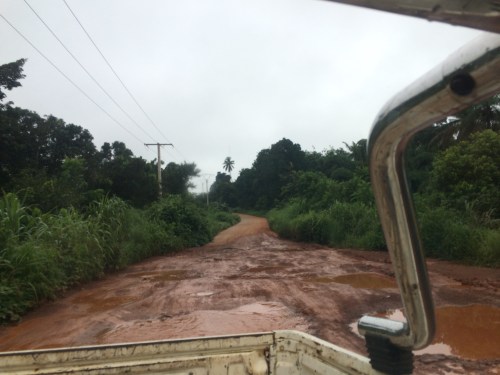
The Road to Forecariah
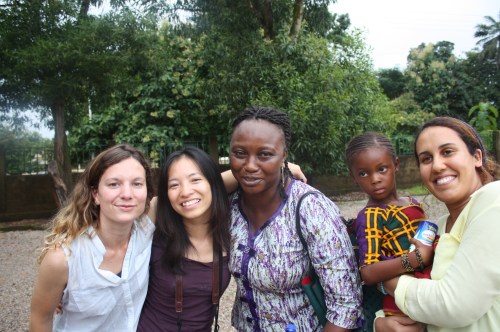
Tra and I with colleagues Djeinabou & Fatima
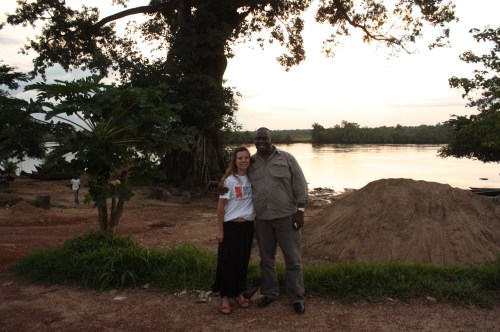
Massauko and Me
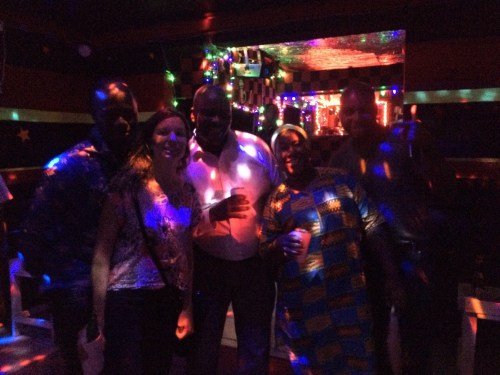
The smallest nightclub in the world.
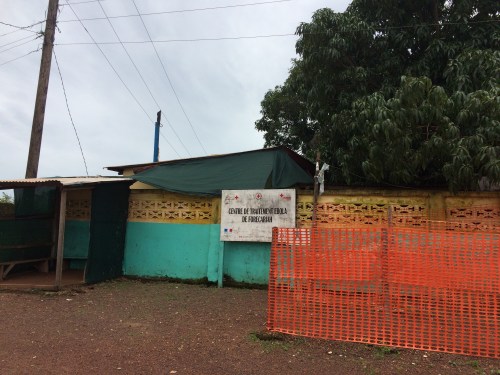
The Ebola Treatment Centre
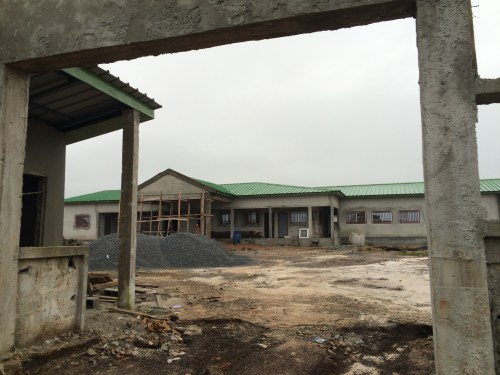
The Local Hospital

This guy! Singing his heart out to the sea!
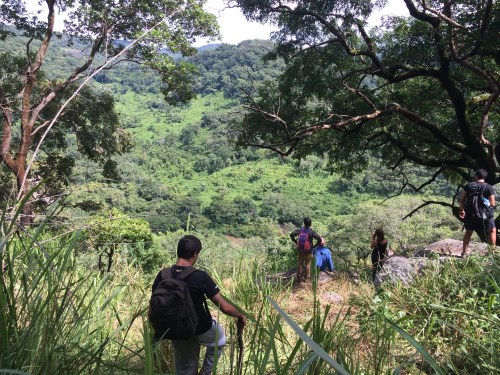
Trekking in the rainforest near Mamou
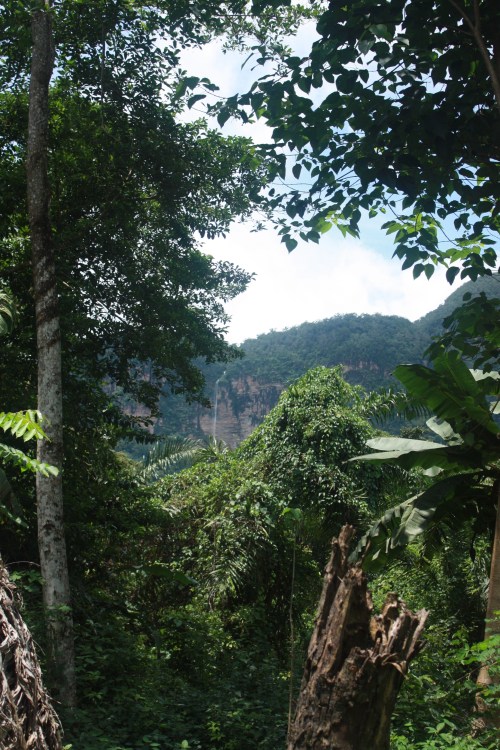
One of the many beautiful waterfalls.
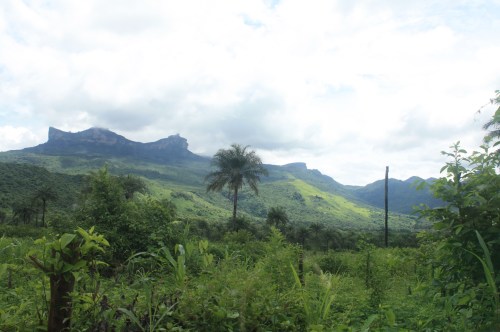
Rich and fertile lands.

 makingartmakingmedotcom