
(Entry for the Guardian International Development Journalism Competition)
Creativity Could be the Greatest Influence for Change in the Developing World
‘My opinion is important, if something bad was to happen I can use it to make things better’ (Ibrahimu 9yrs Making Art, Making Me, Moshi Rural, Tanzania, 2012)
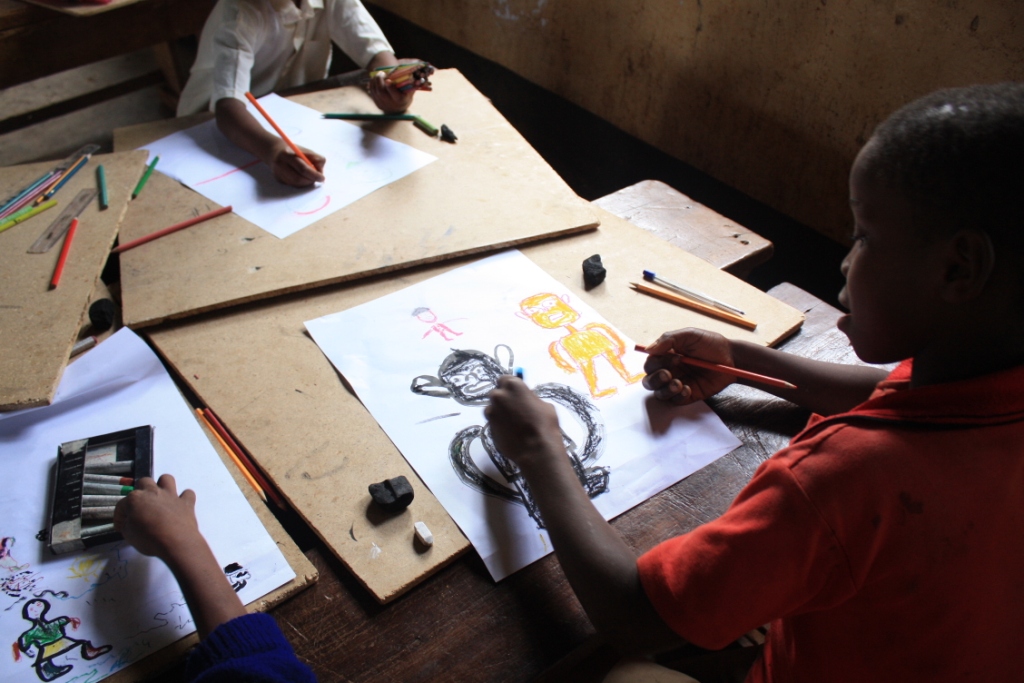
Ibrahimu is one of 60 children currently participating in a creative learning project, Making Art, Making Me, supported by Childreach International in Tanzania. In the project children are practically and creatively learning about identity, whilst building life skills and confidence. What Ibrihimu doesn’t realise yet, is that his generation’s opinions and ability to make things better are crucial if Tanzania is to achieve the MDG targets by 2015, and become active participants in the global developments of the twenty-first century, outlined in its 2025 development vision.
Nelson Mandela once said that education is the most powerful tool for change in the developing world and thus, universal primary education is high up on the international agenda for development. The East African community is proud to be on target for achieving this and at the turn of the 21st century, Kenya, Uganda and Tanzania all pulled the plug on fees and declared ‘free’ primary education for all of those who can afford the annual contributions. In Tanzania, parents can expect to pay the equivalent of nearly £60 a year, which is a substantial amount for those living below the poverty line. This money could feed a rural family of five for up to six months.
After primary education became free in 2001 schools were inundated with children and Tanzanian net enrolment rates soared from 80.7% in 2002 to an impressive 97.7% by 2008 (TZ MDG Progress Report). This looks remarkable on paper, but the reality is that this is purely a statistic, an impressive figure that shows that there is the desire to learn in Tanzania. The net enrolment rate tells us nothing about the quality of education: how are we to know whether these children are being equipped with the knowledge and skills necessary to meet the development challenges of the future? A worrying report published by Uwezo finds very evident discrepancies between the number of children enrolled in school and those who leave without basic competencies in numeracy and literacy. Tanzania had some of the worst results in east Africa, where a disturbing 32% of children in the last year of primary school at Standard 7 (14-15yrs), failed to perform simple numeracy tasks expected at Standard 2 (7-8yrs). This trend was also seen in Kiswahili and English results, which begs the question, why aren’t these children learning?
Tanzania’s Development Vision (2025) recognises the need for reform. It calls for the education system to be restructured and transformed qualitatively. It also promotes creativity and problem solving as necessary classroom skills for development. Things are changing, but pole pole (slowly slowly) as the Tanzanians say, with the last curriculum alteration in 2011. However, these changes are made at Ministerial level and often neglect fundamental practicalities such as, how can teachers effectively teach the new communication curriculum without electricity and computers? As a result new subjects are taught theoretically.
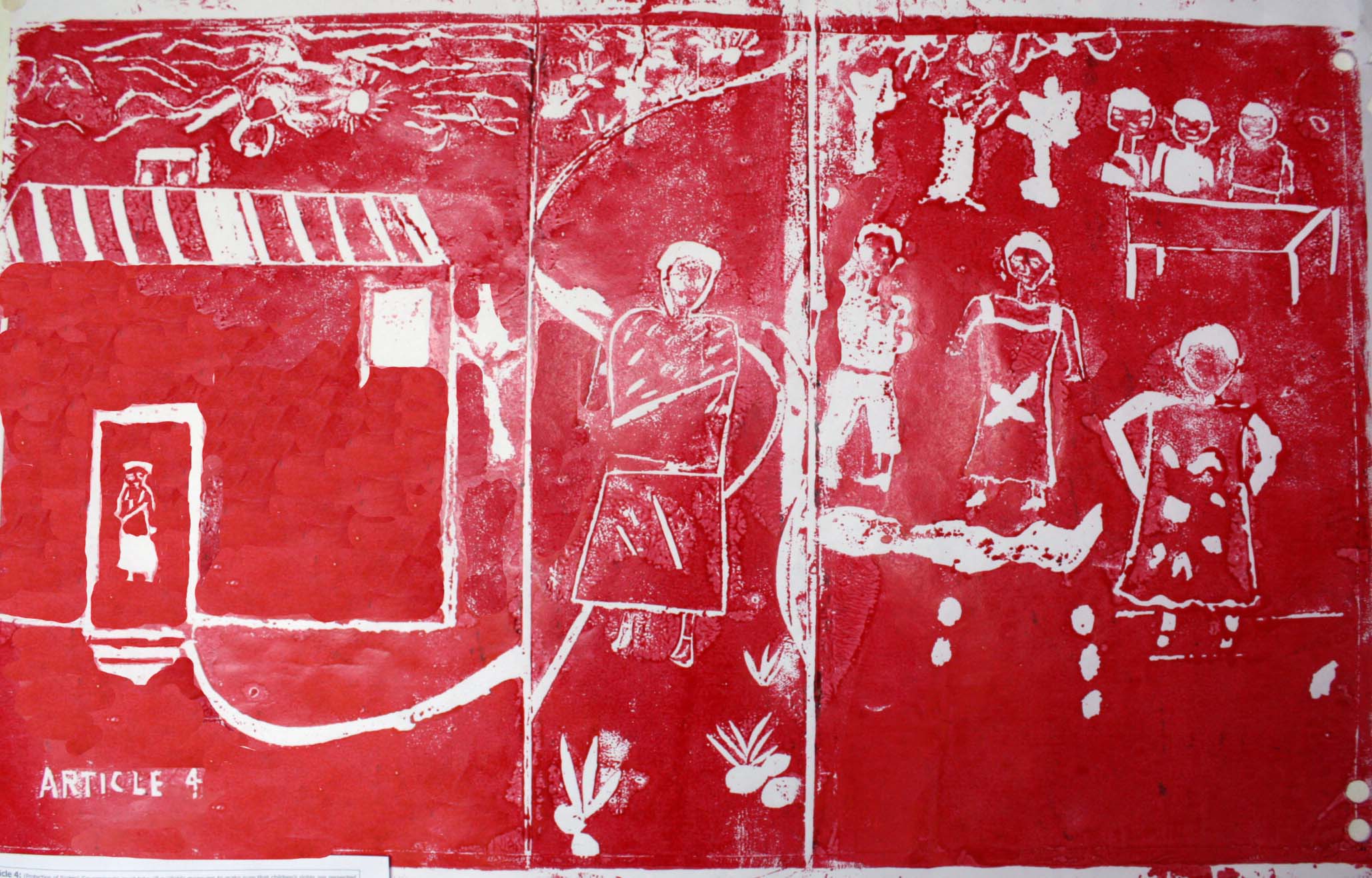
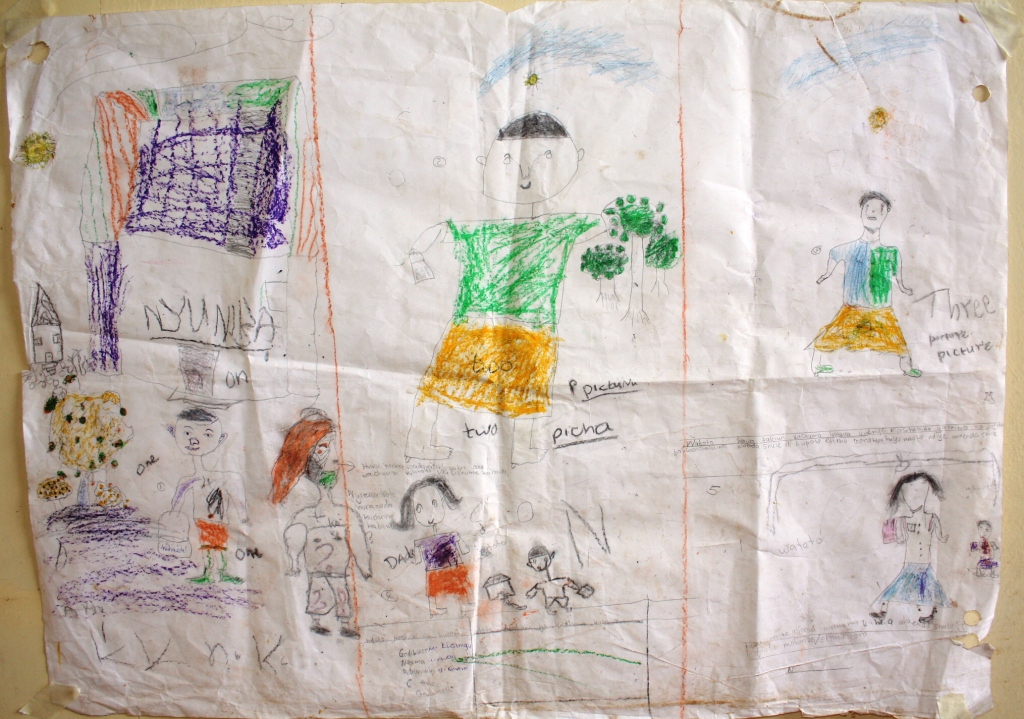
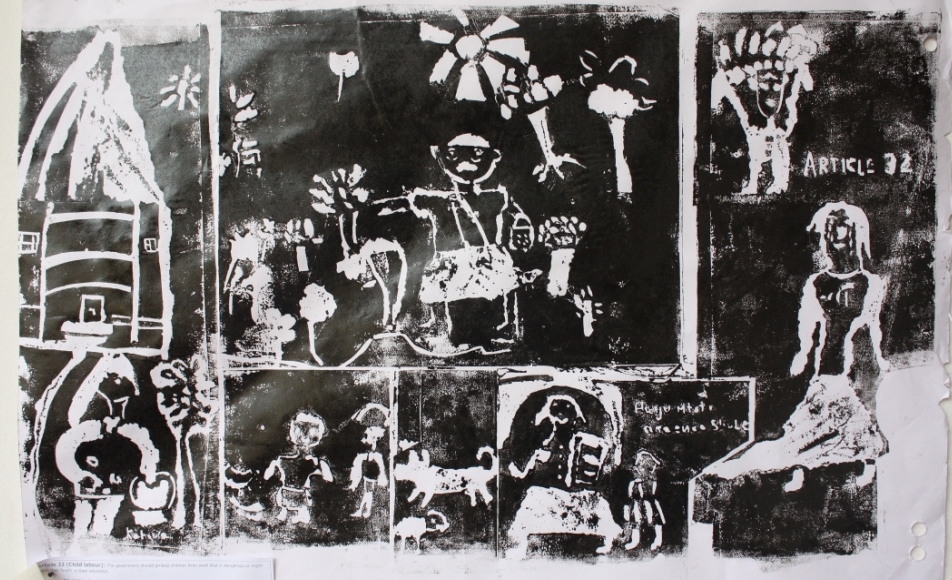
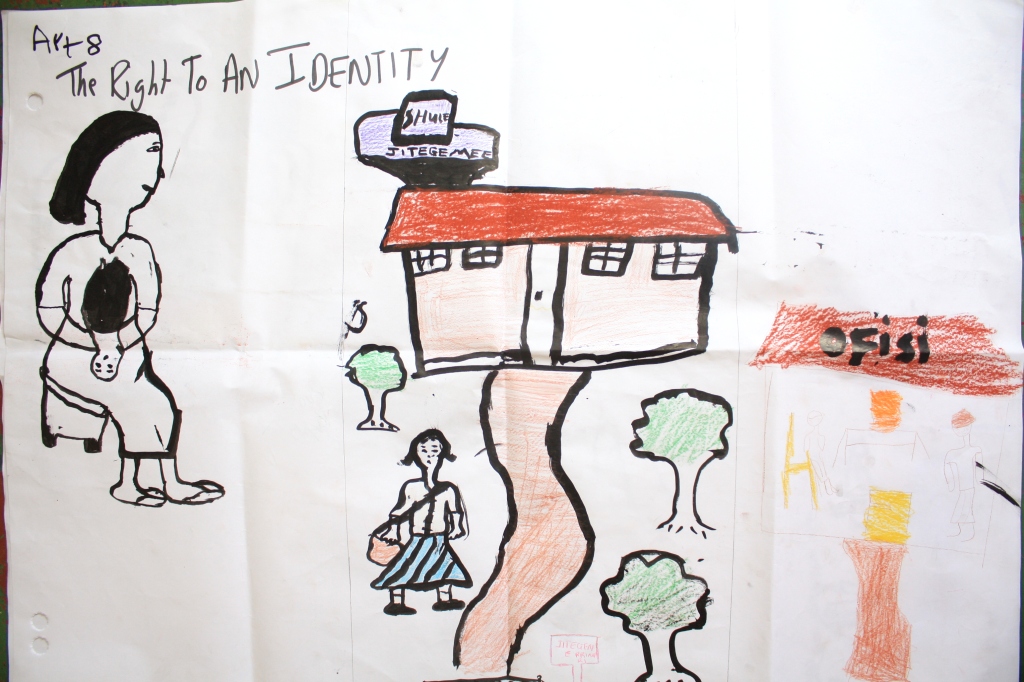
These curriculum changes are not enough to address the immediate damage done to the current key stakeholders of education, Tanzania’s children and future generations. Childreach International is currently tackling this problem hands on in the Kilimanjaro region of Tanzania and on the 4th of May they will be exhibiting a diverse array of art work produced during the innovative project ‘Making Art, Making Me’ in Moshi, Tanzania. Here children have been participating in weekly creative workshops in which they have built and shared ideas about their personal, local and global identity. Using a non-formal approach they will demonstrate to the District Education Officers and local teachers how problem solving and creativity can be resourcefully integrated into the curriculum. The project has aimed to develop key life skills, whilst building self-confidence. It has also aimed to assist students with gaining a critical understanding of their identity through arts, drama and collaborative work. The work shown will demonstrate how this approach can have an immediate and lasting impact on children, many of whom had previously struggled to present in front of a class and failed to see how they could communicate problems through the arts. These children have since been able to articulately explain their work which ranges from identifying important elements of a community, such as working together, environmental protection and support networks. Another group of girls from a school in rural Moshi have produced prints which identify their child rights and responsibilities. Here the artwork made calls upon children to refuse work for low wages (100Tsh/ 4pence to pick 1 kilo of coffee over many hours) on a multinational ‘fair-trade’ coffee company, and encourages the community to educate parents and children alike about their rights.
If education really is the greatest tool for change in the developing world and is to encourage a positive influence on social, political and cultural practice, then education must include social, political and cultural thinking. In just three months Making Art, Making Me has demonstrated how a little innovation and creativity can go a long way. Using art, drama and communication (a fundamental principle) they have stimulated critical, enquiry based learning in children which have spanned all of the above topics. When presenting a collage to the class, which identified important factors in a community, the group of four girls pointed out a photograph of children cramped in a class room, many sat on the floor. They went on to explain that the government needs to invest more money in schools as communities can only grow and support each other with proper education. It is clear that these class discussions and group work has developed crucial skills and knowledge enabling them to articulate their needs and identify their solutions.
If after just three months these children are able to stand up and question multinational organisations and call upon their government for change on education policy, imagine what could be achieved if Tanzania really does reform its education system qualitatively? With all this in mind, creative education really could be the greatest influence for change in the developing world and help to equip Tanzania to eradicate extreme poverty, hunger and solve future development challenges.
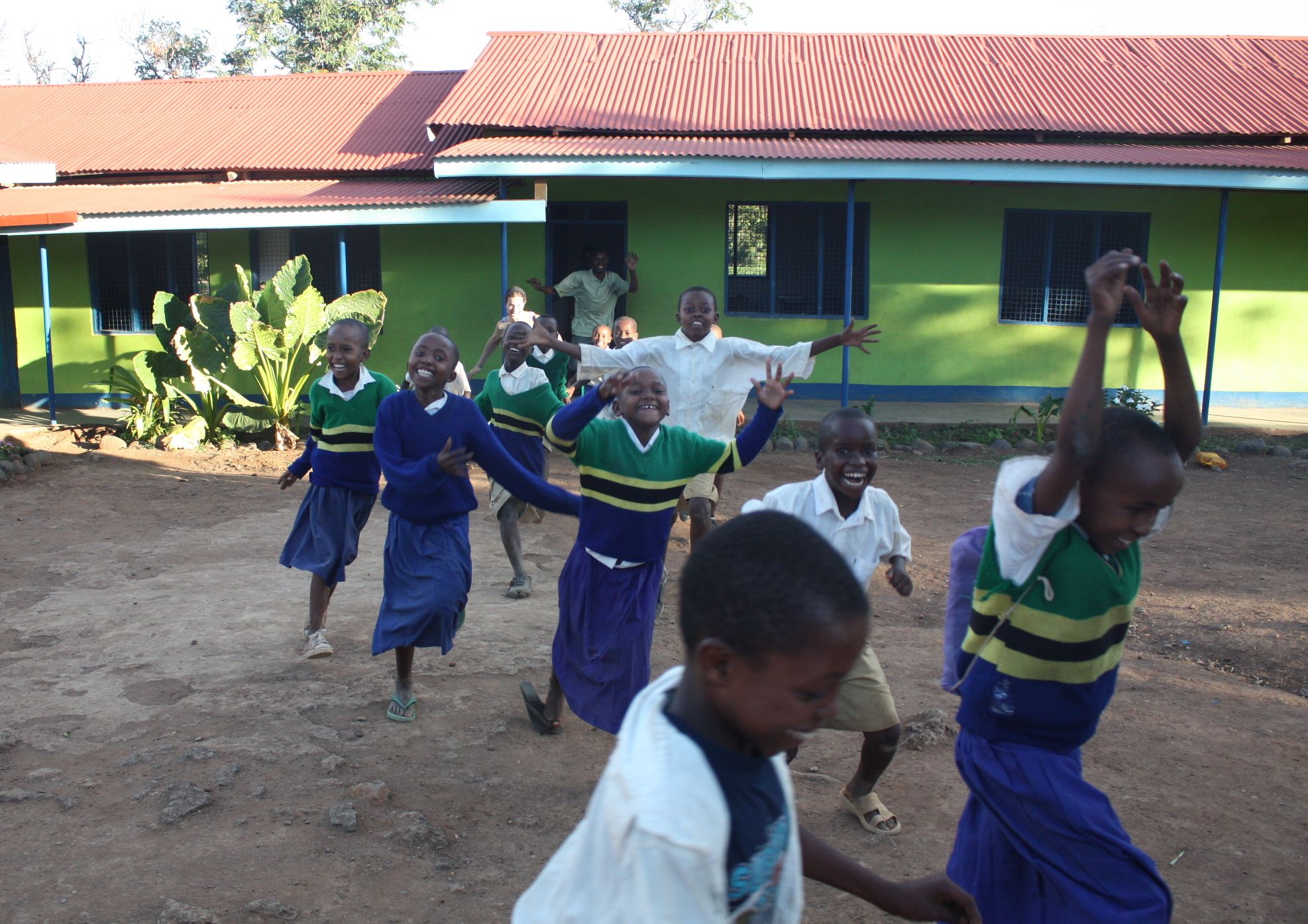
Photograph taken from the evaluation activity – How does Making Art, Making Me make you feel?

 makingartmakingmedotcom